Foundations Set the Rules for Everything Above
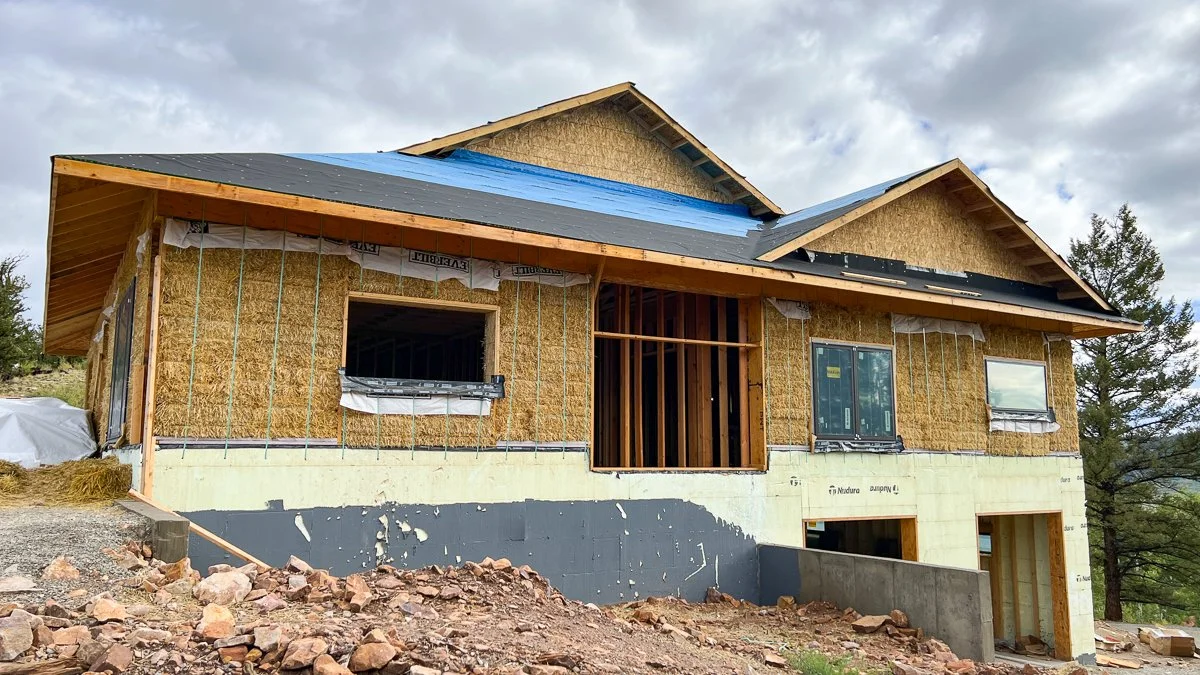
When construction begins, it often feels like the project is finally moving forward. In reality, this is the point where many of your earlier decisions become fixed.
Your foundation not only supports the structure. It sets the position, height, and long-term performance of everything that follows. Once it is in place, there is little room to adjust. This is where the shift happens from flexible design thinking to committed building decisions.
Getting the Height Right
One of the most important choices is how high the structure sits above grade. This decision affects moisture management, drainage, and how your straw bale walls stay protected over time.
If the structure sits too low, water and snow move closer to the bales than you want. If it sits too high, access, stairs, and transitions begin to feel forced. I often see this decision underestimated, even though it impacts both daily use and long-term durability.
Your finished floor height also connects to your site. Slope, soil conditions, and foundation type all play a role here. A slab-on-grade, crawl space, or basement approach will each push this decision in different directions. This is not something to sort out in the field. It should already be clear before the first forms are set.
Aligning the Foundation to the Wall System
Straw bale walls do not behave like standard framed walls. They have thickness, variability, and a need for consistent support.
Your foundation and toe-up must align with your bale layout. If they do not, the work becomes harder right away. Small misalignments at this stage lead to trimming, shimming, and forcing things into place during bale installation. This slows the build and affects the final result.
This is also where early coordination with utilities begins to matter. Any plumbing, conduit, or embedded elements need to be planned before concrete is placed. Once the foundation is poured, changes become difficult and often messy.
This is one of the clearest examples of design showing up in the field. Clean alignment here sets up a smoother path forward.
Moisture Starts Here
Long-term durability begins at the foundation. Water does not need much opportunity to create problems.
The way you handle drainage, grading, and separation from the ground matters more than most people expect. This includes how water moves across your site, how it is directed away from the structure, and how the foundation isolates the bales from ground moisture.
Climate plays a role here as well. In colder regions, insulation strategies at the foundation become part of the moisture plan. In wetter climates, drainage and drying potential carry even more weight. These are not separate decisions. They work together.
If water control is not resolved here, it will continue to show up throughout the life of the building.
Where People Get Tripped Up
The most common issue at this stage is rushing. There is excitement to get moving, and the foundation feels like a standard process. People assume it will all work out.
This is where projects begin to drift. Decisions that should have been resolved during design get pushed into the field. Crews make the best choices they can in the moment, but those choices are no longer coordinated with the larger plan.
That gap shows up later in the form of delays, added cost, and avoidable compromises.
One Decision to Get Right
Before you begin, take the time to confirm three things: your finished floor height, your drainage and moisture strategy, and your alignment with the bale system above.
These three decisions carry the rest of the build. Foundation type, insulation, and utilities all tie back to them. When these are clear, the work moves forward with far fewer adjustments.
Looking Ahead
Once the foundation is in place, the project moves quickly into framing and wall layout. This next phase depends heavily on the accuracy and clarity established here.
The better this stage goes, the smoother everything that follows will feel.
Take the next step in your build
Whether you want a clear path, hands-on experience, or more detail, you have options. Join the 16 Day eCourse, attend a workshop, or continue exploring the foundation resources on the site.